
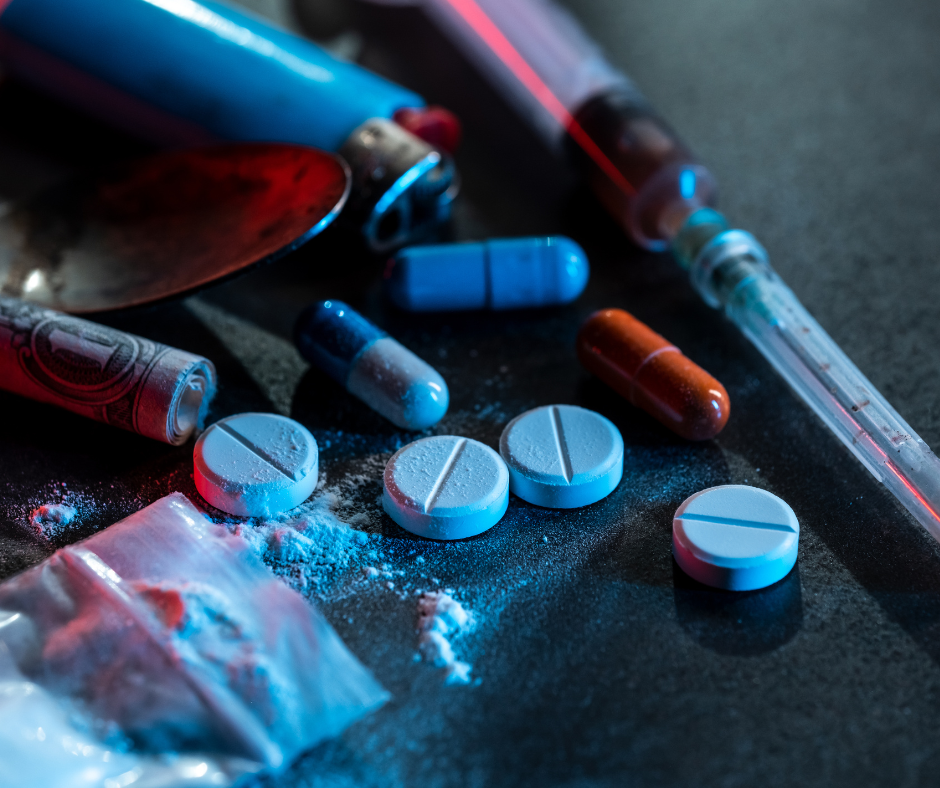
Addiction is a complex disease that affects not only the individual but also their families and communities. It is characterized by compulsive drug seeking and use, despite harmful consequences. At SANCA Eastern Region, we believe that understanding the physical, psychological, and social effects of addiction is crucial for prevention, treatment, and recovery.
The Physical Effects of Addiction
Substance abuse takes a significant toll on the body. Different substances have different effects, but some common physical consequences include:
- Organ damage: Alcohol can damage the liver, heart, and pancreas. Drug abuse can lead to kidney, lung, and heart problems.
- Increased risk of diseases: Substance abuse can weaken the immune system and increase the risk of various infections and diseases, including cancer and HIV/AIDS.
- Overdose: An overdose occurs when a person takes more than the recommended or tolerable dose of a substance. Overdoses can be fatal and are a leading cause of death among people with addiction.
- Withdrawal symptoms: When a person with addiction stops using a substance, they may experience withdrawal symptoms. These symptoms can range from mild to severe and can include anxiety, depression, nausea, vomiting, seizures, and hallucinations.
The Psychological Effects of Addiction
Addiction also has a profound impact on mental health. Some common psychological effects include:
- Mood disorders: People with addiction are more likely to experience mood disorders such as depression and anxiety.
- Psychosis: Substance abuse can trigger psychotic episodes in some individuals, characterized by delusions and hallucinations.
- Cognitive impairment: Addiction can affect cognitive function, leading to problems with memory, attention, and decision-making.
- Increased risk of suicide: People with addiction are at a higher risk of suicide than the general population.
The Social Effects of Addiction
Addiction can strain relationships, disrupt families, and lead to social isolation. Some common social effects include:
- Relationship problems: Addiction can cause conflict, mistrust, and breakdown in relationships with family, friends, and romantic partners.
- Job loss: Substance abuse can lead to poor performance, absenteeism, and job loss.
- Financial problems: Addiction can be expensive, leading to financial difficulties and debt.
- Legal problems: Substance abuse can lead to legal problems, such as arrests for DUI or drug possession.
- Homelessness: Addiction can contribute to homelessness due to job loss, financial problems, and relationship breakdown.
The Importance of Seeking Help
If you or someone you know is struggling with addiction, it is important to seek help. Addiction is a treatable disease, and recovery is possible. There are many effective treatments available, including therapy, medication, and support groups.
At SANCA Eastern Region, we offer various programs to help people overcome addiction and achieve lasting recovery. Our programs are tailored to meet each individual’s needs and may include individual therapy, group therapy, family therapy, medication-assisted therapy, and aftercare planning.
If you are ready to start your recovery journey, please contact us today.
We also encourage you to explore the other resources available on our website, including information on different types of addiction, treatment options, and tips for preventing relapse.